
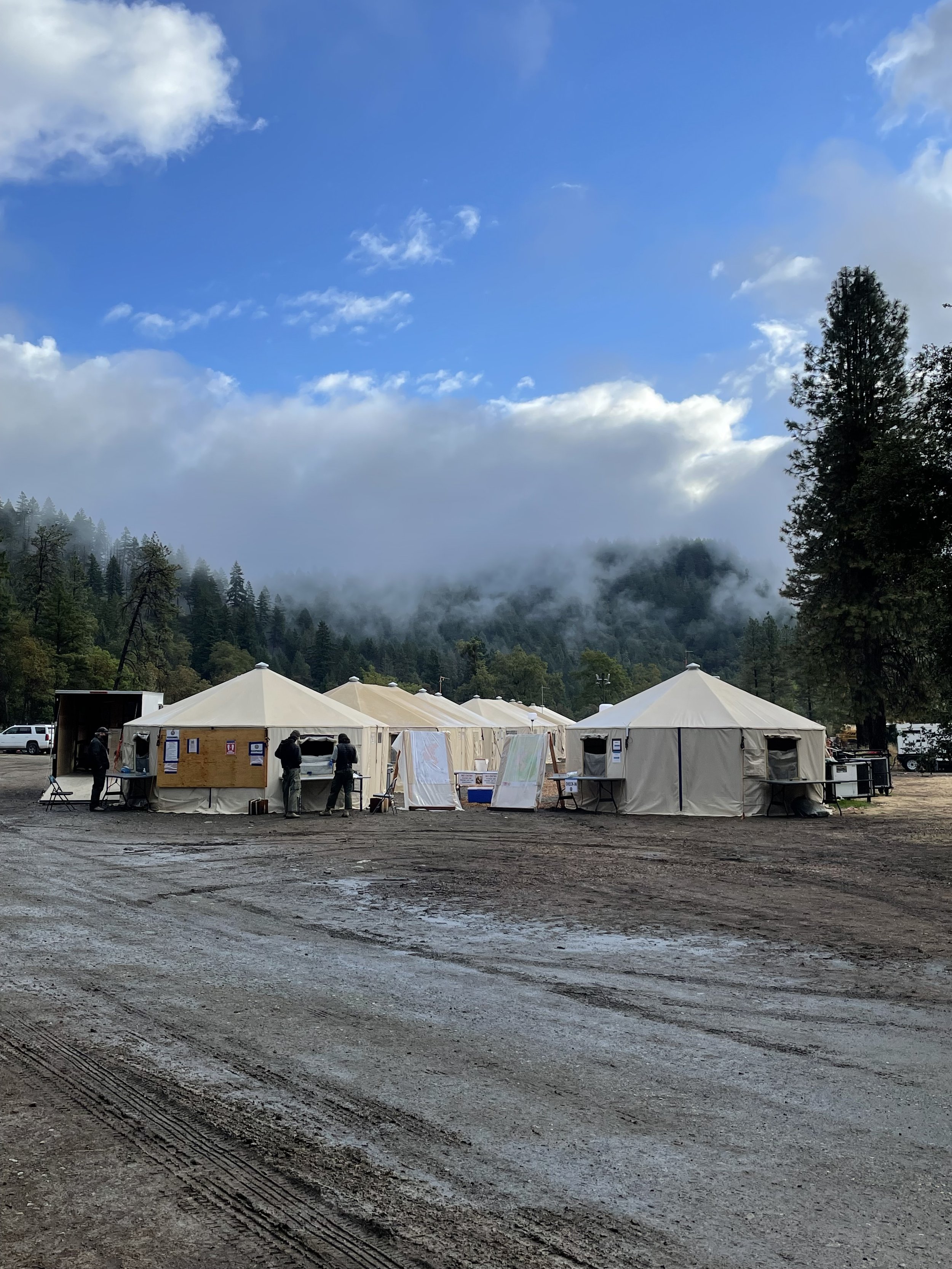
Support Fire this Summer: Type 3 Incident Management Teams
Have you ever wanted to be part of the teams that help manage and suppress fire across Nevada and the west?
We are looking for interested individuals who would like to fill a number of specialty roles including logistics, finance, and public information. These positions do not require any previous fire experience and are key to the operational success of the firefighters on the ground.
Watch the informational webinar
Watch a recording of the 2026 informational webinar to learn about different positions, what these roles entail, how they can be balanced with your usual workload, the steps to becoming qualified for the positions you’re interested in, and what it is like to live and work in a fire camp for 14 days at a time.
Submit your nomination form by February 20, 2026
There are five Nevada Type 3 teams. See the team rotation schedule for 2026.
Scroll down for more information and check with your fire program on how to apply.

My First Fire: A PIO Experience
Jacob shares his experience going on his first fire as a Public Information Officer Trainee on the McCash Fire in Northern California. Learn tips, what to expect, and his experience along the way.
Types of Fire Support Roles

Finance
Responsible for overall direction of incident response activities • Creation of incident objectives • Reallocation of incident response assets • Resolution of policy-related issues • Determination of demobilization priorities • Communication with larger incident management structure
.

GIS Specialist
Prepare incident data using the NWCG Standards for Geospatial Operations. A GISS can receive and be required to work with all manner of geospatial data on an incident. They should be prepared to access, convert, and often 'clean-up' any format from GPX to XLS. A GISS must also be prepared to instruct personnel on the use of the many data collection apps.
.

Public Information
Conducts public information and external affairs activities in complex and protracted operations involving state, regional and Federal entities.
.
Planning
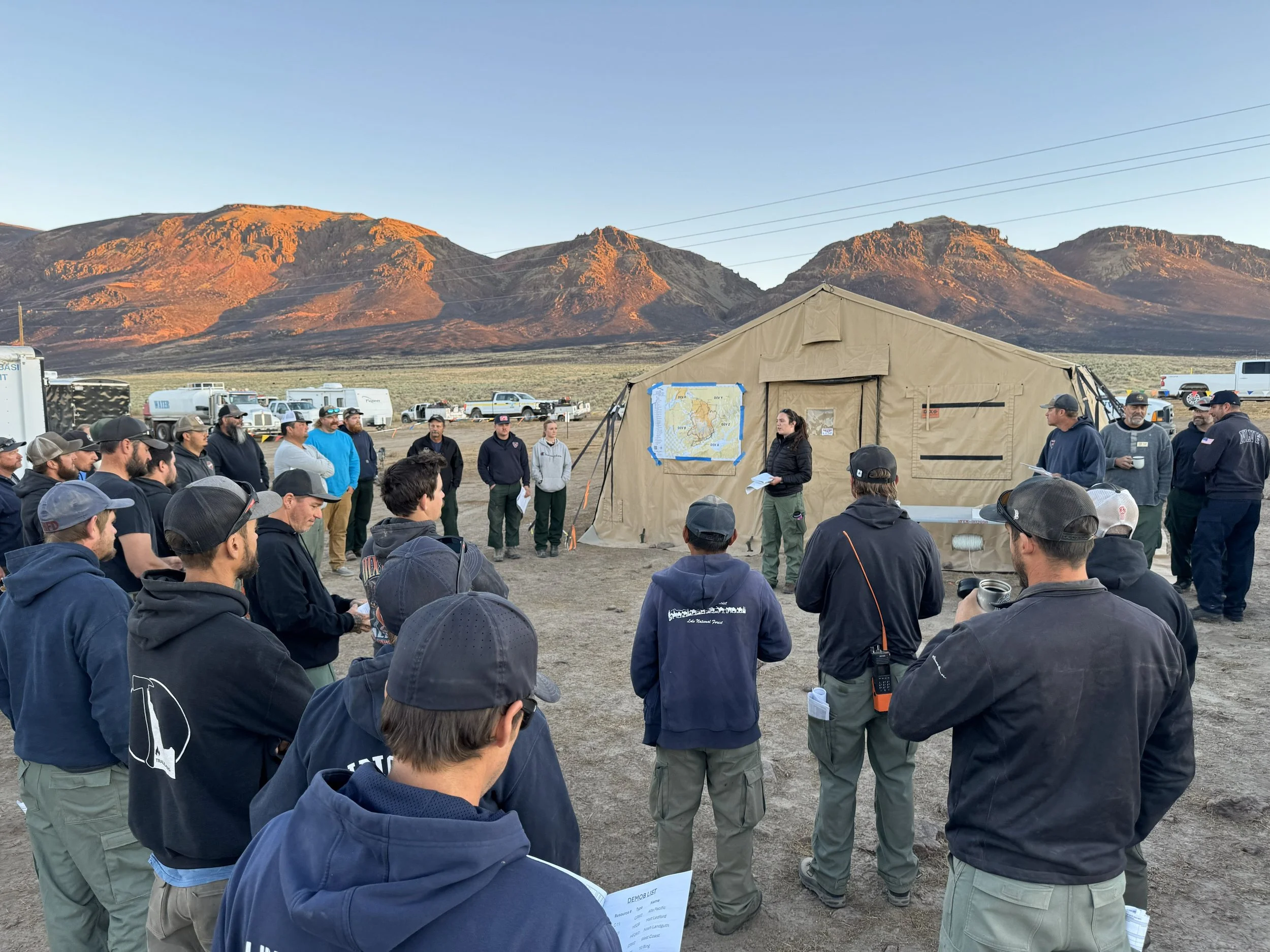
Responsible for information collection, analysis, and dissemination • Organization of response processes • Incident Documentation • Situational reporting • Maintaining status of resources • Long-term planning
.

Logistics
Responsible providing material support to incident response activities • Equipment • Supplies • Communications • Facilities • Transport
.
Operations
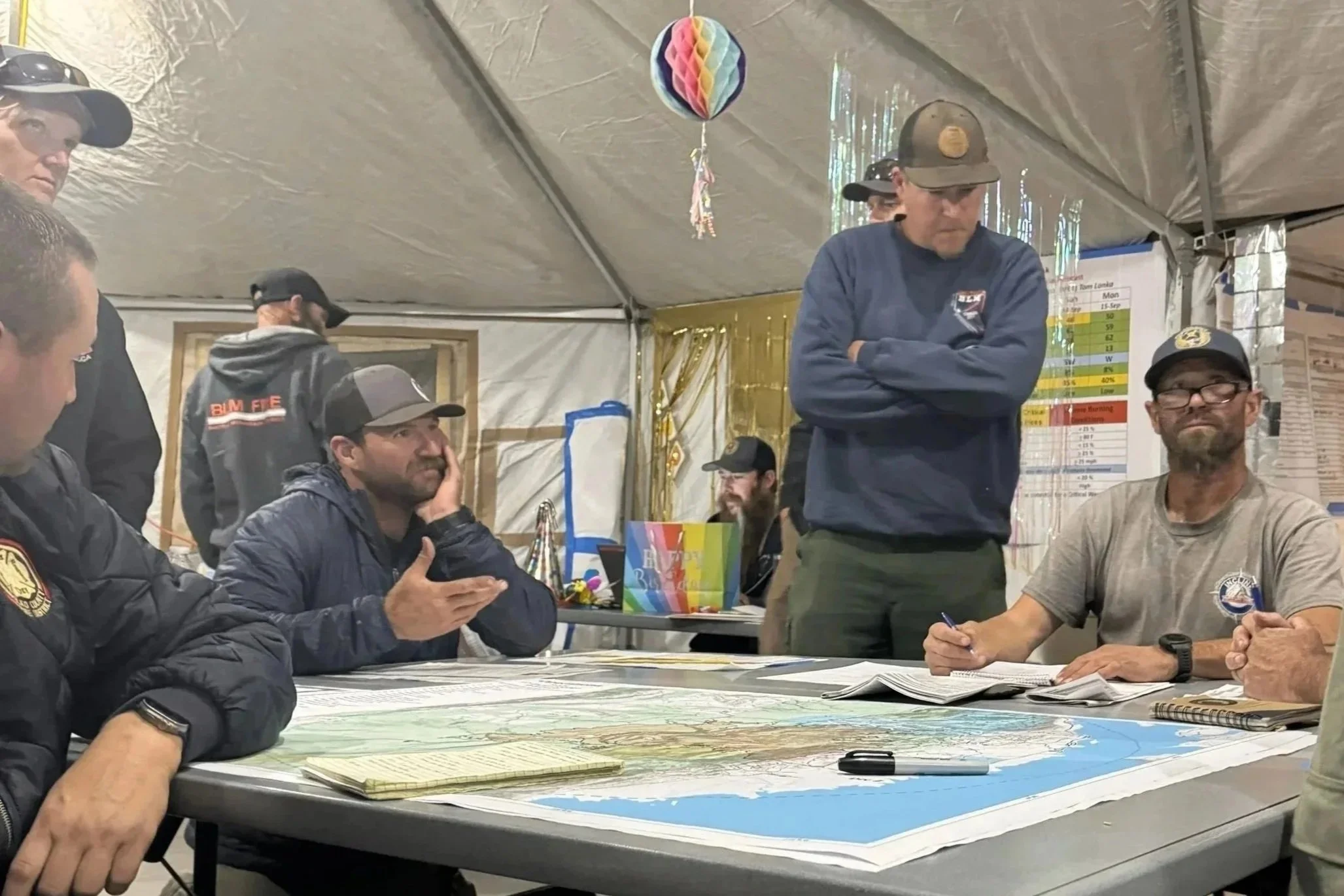
The Operations Team is responsible for the direction and oversight of tactical resources. Their day-to-day tasks involve the creation of response strategies, assigning tactical resources, and monitoring response progress.
Safety Officer
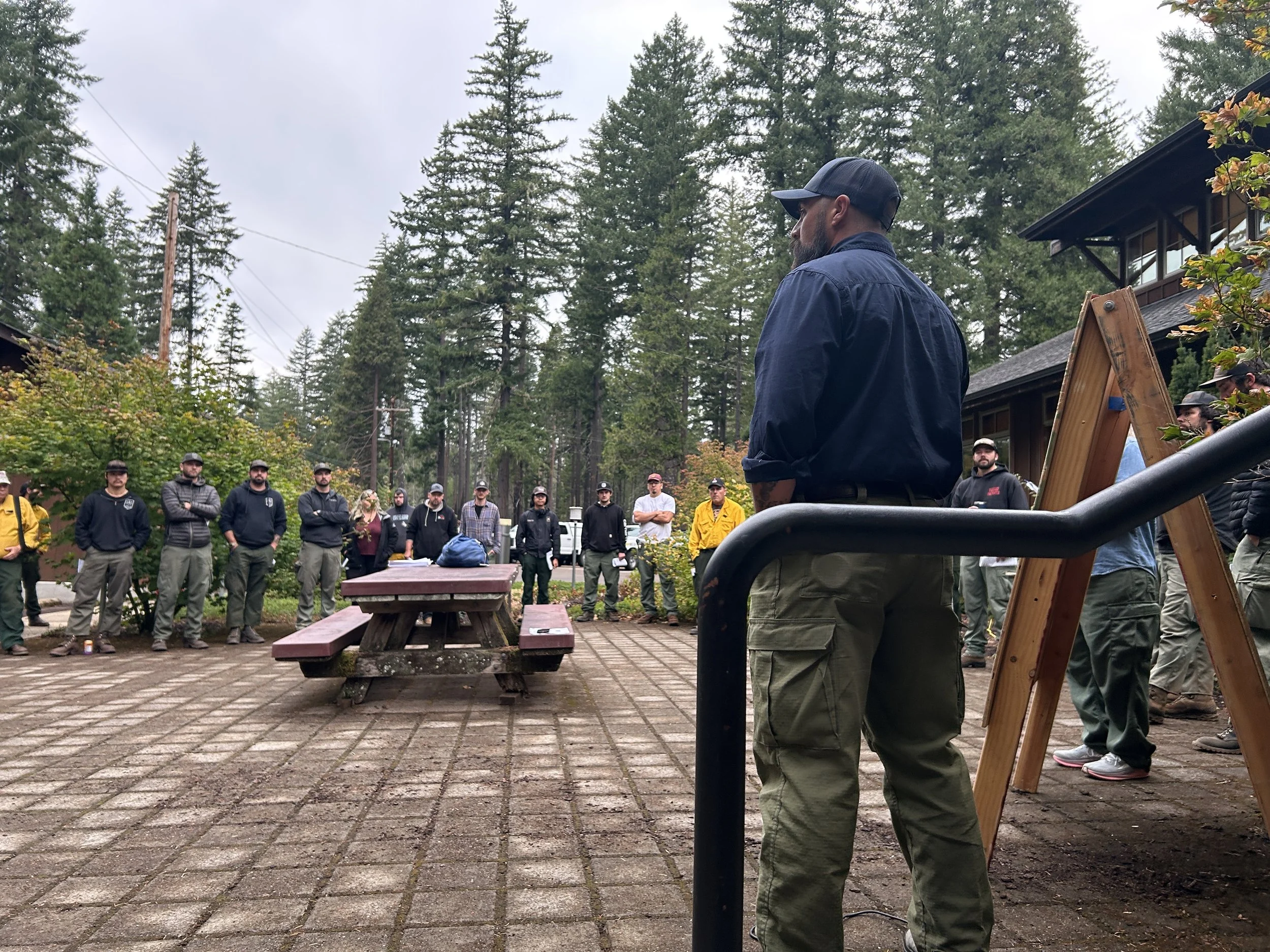
The Safety Officer monitors incident operations and advises the Incident Commander (IC) or Unified Command on all matters relating to operational safety, including the health and safety of incident personnel.
There’s actually a bunch more opportunities, you can check them out here:
And this is how they all fit together.
If any of this sounds interesting, check with your fire program on how to apply.
Then you too, can end up in a photo like this:
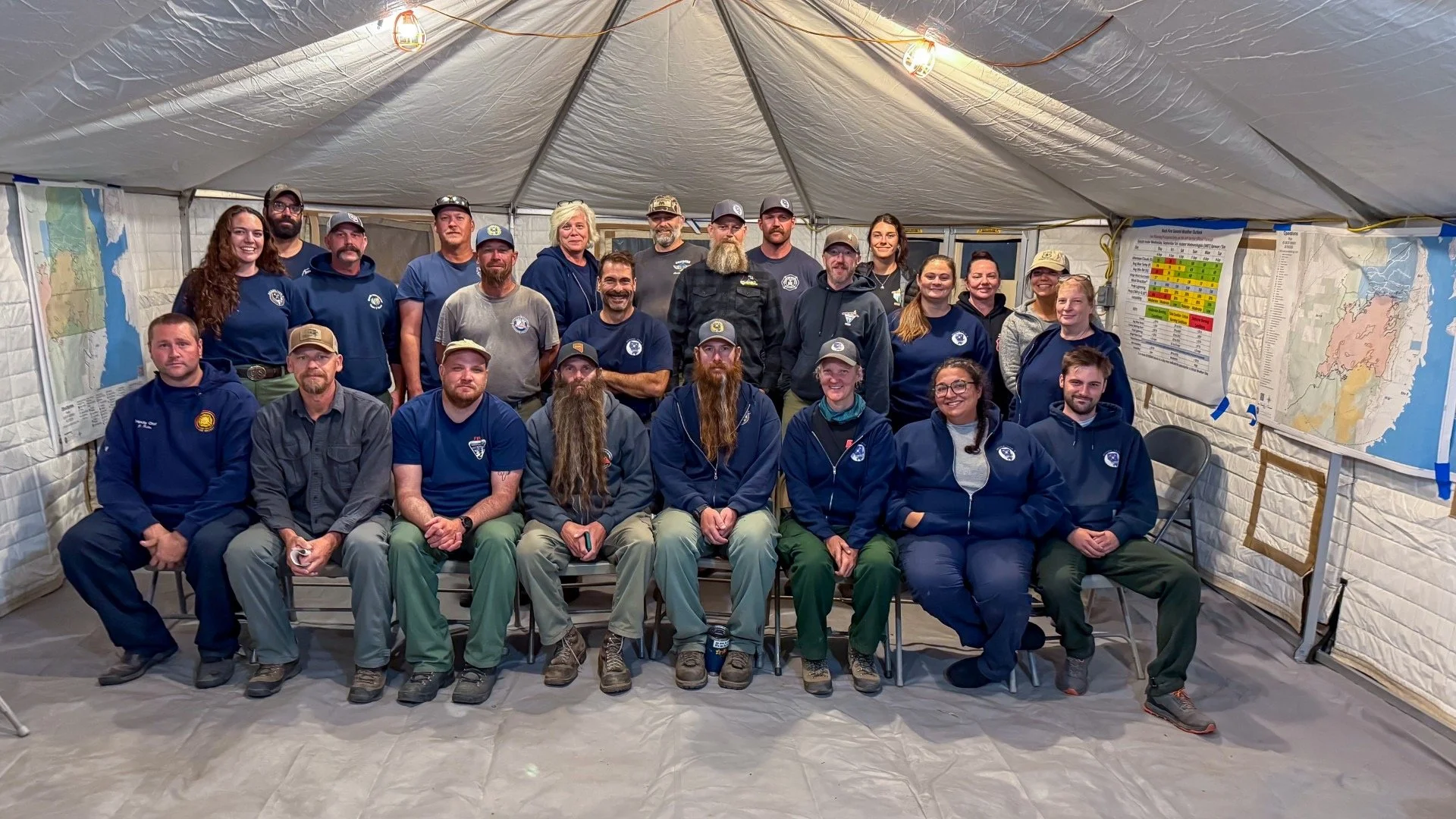
Nevada Type 3, Team 3, Rock Fire 2025